
40 Mind-Blowing Statistics About Waste Management (Updated January 2026)
Updated January 2026 | Chapter 4 of 7
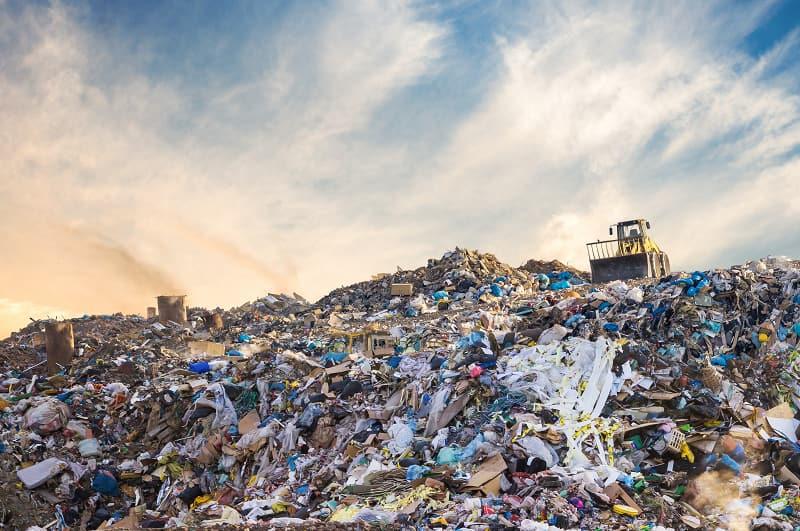
Looking for trash facts, facts about trash, or facts about waste management? The numbers below pull together the most reliable, widely cited waste management statistics from the EPA, UNEP, OECD, and UN e-waste reporting—so you can understand the scale of the garbage waste problem and why smarter US waste management matters.
How Much Trash the U.S. Produces
-
Fact 1: The most recent nationwide EPA total shows the U.S. generated 292.4 million tons of municipal solid waste (MSW) in 2018.
-
Fact 2: That equals about 4.9 pounds per person per day—a commonly used benchmark when estimating how much waste a person produces daily.
-
Fact 3: Of the MSW generated, approximately 69 million tons were recycled.
-
Fact 4: About 25 million tons were composted, largely from food scraps and yard trimmings.
-
Fact 5: Combined, recycling + composting totaled almost 94 million tons, equal to a 32.1% recycling and composting rate.
Recycling Reality Check
-
Fact 1: Even though 2018 had record tons recycled, EPA notes the overall recycling rate had decreased to its lowest levels since 2006.
-
Fact 2: Paper and paperboard were the top-performing major material: 67.4 million tons generated in 2018.
-
Fact 3: Paper and paperboard recycling hit 68.2% in 2018 (about 46 million tons recycled).
-
Fact 4: The Recycling Partnership reports only 21% of U.S. residential recyclables are actually captured.
-
Fact 5: The same research estimates 76% of recyclables are lost to trash in homes (before they ever reach a recycling facility).
Landfills and Methane
-
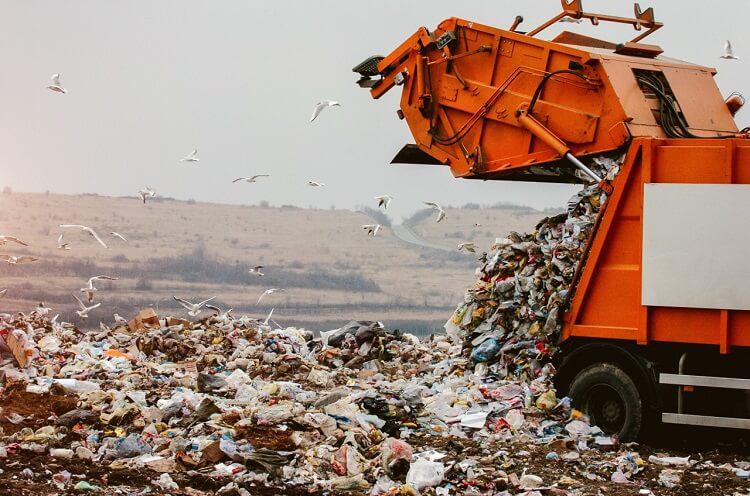
Fact 1: In 2018, about 146.1 million tons of MSW were landfilled in the U.S.
-
Fact 2: Food was the largest landfill component at about 24% of landfilled MSW.
-
Fact 3: Municipal solid waste landfills are the third-largest source of human-related methane in the United States.
-
Fact 4: MSW landfills accounted for about 14.4% of human-related methane emissions in 2022 (EPA).
-
Fact 5: EPA says landfill methane in 2022 was comparable to the annual emissions from more than 24 million gasoline-powered passenger vehicles.
Food Waste (A Huge Piece of the Puzzle)
-
Fact 1: EPA estimates food is the #1 material reaching landfills and makes up over 24% of MSW sent to landfills.
-
Fact 2: Food generation in EPA’s dataset jumps sharply in 2018 due to an updated measurement approach (methodology shift).
-
Fact 3: In 2019, EPA lists 66.22 million tons of food generated (MSW by weight).
-
Fact 4: In 2019, EPA shows 9.65 million tons of food managed via combustion with energy recovery.
-
Fact 5: In 2019, EPA shows 3.3 million tons of food composted—still small relative to total food generated.
Construction and Demolition Waste (Bigger Than You Think)
-
Fact 1: The U.S. generated about 600 million tons of construction and demolition (C&D) debris in 2018—more than double MSW.
-
Fact 2: Demolition creates more than 90% of total C&D debris, while construction is less than 10%.
-
Fact 3: Just over 455 million tons of C&D debris were directed to “next use” (reuse, recycling, beneficial use).
-
Fact 4: Just under 145 million tons of C&D debris were sent to landfills in 2018.
-
Fact 5: EPA notes aggregate was the main “next use” pathway for recovered C&D materials.
Plastic Waste and Recycling Gaps
-
Fact 1: Our World in Data estimates the world produces about 350 million tonnes of plastic waste each year.
-
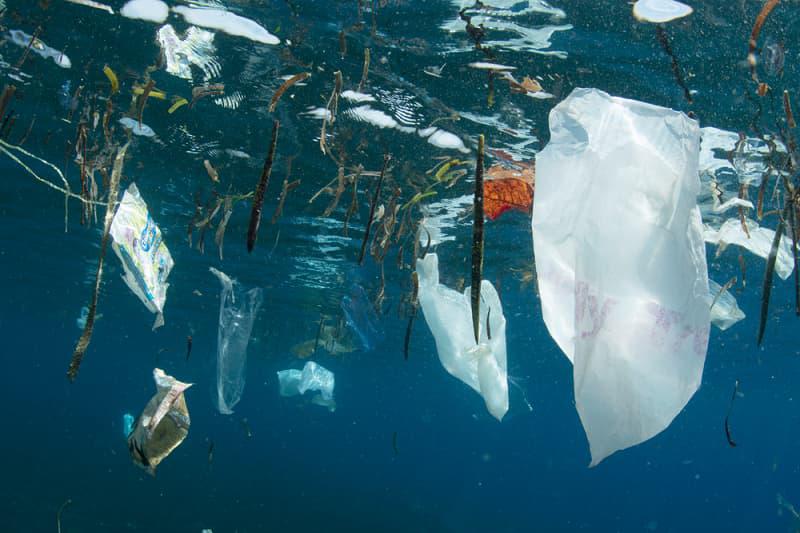
Fact 2: Only about 0.5% of plastic waste is estimated to enter the ocean annually—most remains on land or near shorelines.
-
Fact 3: OECD projects global plastic waste is on track to almost triple by 2060, with around half ending in landfill.
-
Fact 4: OECD also projects less than a fifth of plastic waste will be recycled by 2060 without stronger action.
-
Fact 5: Our World in Data estimates that by 2015, only ~9% of all plastic waste generated had been recycled (with most accumulating in landfills or the environment).
E-Waste (The Fast-Growing Waste Stream)
-
Fact 1: In 2022, a record 62 billion kg (62 million tonnes) of e-waste was generated globally.
-
Fact 2: That equals 7.8 kg per person per year on average worldwide (2022).
-
Fact 3: Only 22.3% of 2022 e-waste was documented as properly collected and recycled.
-
Fact 4: E-waste is on track to reach 82 million tonnes by 2030.
-
Fact 5: The Global E-waste Monitor warns the documented recycling rate could drop to 20% by 2030 as generation grows faster than recycling systems.
Global Waste Growth and the Circular Economy
-
Fact 1: UNEP projects global municipal solid waste will grow from 2.1 billion tonnes (2023) to 3.8 billion tonnes by 2050.
-
Fact 2: UNEP estimates the global direct cost of waste management was $252 billion in 2020.
-
Fact 3: With pollution, health, and climate “hidden costs,” UNEP estimates the total rises to $361 billion.
-
Fact 4: Without urgent action, UNEP projects global annual costs could reach $640.3 billion by 2050.
-
Fact 5: Circularity Gap reporting says the global circularity rate fell from 9.1% (2018) to 7.2% (2023)—meaning fewer materials are coming from recycled/secondary sources.
Frequently Asked Questions About Waste Management
Approximately what percentage of household trash can be recycled?
A lot of household material is technically recyclable, but capture is the real issue. The Recycling Partnership reports only 21% of U.S. residential recyclables are captured, and 76% are lost to trash in homes—so the practical answer to “approximately what percentage of household trash can be recycled” depends heavily on access, local rules, and contamination.
What percent of trash is recyclable?
When people ask what percent of trash is recyclable, they’re usually really asking what percent is actually recovered. In the U.S. (2018), EPA reports a 32.1% recycling + composting rate, which is a useful shorthand for real-world recovery.
How much garbage does the average American create each year?
Using EPA’s 2018 MSW per-person estimate (4.9 lbs/day), that’s roughly 1,789 pounds per year (4.9 × 365). This answers both “how much garbage does the average American create each year” and “how much waste does the average American produce” using official MSW per-capita data.
Americans dispose of how much municipal solid waste each year?
A commonly cited benchmark is 292.4 million tons of MSW generated in 2018 (EPA). That number helps answer “americans dispose of how much municipal solid waste each year,” along with related searches like us trash, trash in us, and how much trash does the us produce.
How much of the world’s toxic waste does America generate?
There isn’t one universally standardized “toxic waste” number that’s comparable across countries because definitions and reporting differ. A more consistent set of waste management info uses municipal solid waste (MSW) and specific regulated hazardous-waste reporting by jurisdiction—so treat broad “world toxic waste share” claims cautiously.
Waste Management Statistics That Actually Change How You Think About Trash
These waste management facts show why the problems of trash (yes, the problems of trash) aren’t just about clutter—they’re about landfills, methane, materials, and systems that don’t capture what we say is recyclable. If you’re searching for garbage stats, trash statistics, statistics on landfills, landfill stats, landfill statistics, or statistics about recycling, the biggest takeaway is this: better outcomes come from reducing waste upstream, improving local recycling access and clarity, and keeping organics out of landfills.
To learn more about our sustainable junk removal services or book a free on-site junk hauling estimate in your city, get in touch with your local Junkluggers team. In the meantime, be sure to check out the other blog posts in this junk removal series:
- Chapter 1: The Typical Junk Journey
- Chapter 2: Everything You Need To Know About Landfills
- Chapter 3: 26 Household Items That Don't Disintegrate In Landfills
- Chapter 5: The Sustainable Junk Journey
- Chapter 6: 21 Household Items You Should Be Recycling (& Probably Aren't)
- Chapter 7: 5 Reasons You Should Care Where Junk Goes